Training to end up being a pilot is a trip of step-by-step mastery, yet the surface changes relying on where you begin. I began my very own path in a moderate single-engine aircraft, and later I invested years bouncing between light, piston-powered flight and the greater adrenaline rush of jet time. The distinctions aren't practically rate or elevation. They reach right into the means you discover, the rate you set on your own, and the type of choice making you method under pressure. If you are thinking about flight school, or you are currently in the midst of training, comprehending exactly how little aircrafts and jets shape your capability can pay dividends in pace, price, safety, and long-term job options.
The heart of the issue depends on just how the machines educate you to think. Tiny aircrafts, especially two seat and four seat instructors with dealt with equipment, are straightforward in their physics and forgiving in the onset. They reward a tidy, purposeful rhythm. Jets, with their wind turbine engines, facility systems, and pressurized cabins, demand a different sort of mental power. They compensate precision and flow, yet the price of an error can be greater, the repercussions less forgiving, and the training pipe longer. The distinction matters whether your objective is to fly for fun on weekend breaks, rack up the hours to land a regional work, or pursue airline prospects years down the line.
I want to share not just abstract principles, but practical, lived experiences. The goal is to provide you a responsive feeling of what you'll feel in the cabin, what the training days look like, and just how to navigate the emotional landscape of learning with flight school vs [another school] real life restrictions. The numbers below are illustrative rather than global. They offer a sense of range you can contrast versus your very own neighborhood options.
From the initial breath of air in a light instructor to the moment you step into a jet for the very first time, the arc follows an acquainted outline. You discover to fly, you exercise emergencies, you develop cross country discipline, and you start to construct the psychological collection that makes you a competent pilot. The path, nevertheless, diverges as you move from a simple airplane to a more complicated equipment. In this piece I'll outline the sensible facts I learned along the road, the sort of compromise that show up in the real life, and the concerns you should ask prior to you dedicate to a certain training trajectory.
Begin with the aircraft you pick for your early hours. Lots of people begin in a 4 seat, taken care of equipment fitness instructor with a small horsepower engine, something in the 100 to 160 horse power variety. These machines are approachable. They glide at a comfy pace, they respond promptly to input, and they supply a flexible change into IFR job when you're ready to start dipping a toe right into instrument training. You'll spend a great deal of time in the air staying within a couple thousand feet of the flight terminal, looping pattern work, exercising touch and go touchdowns, and slowly assembling the split technique of navigation, radio communication, and step-by-step self-control. You'll come away with a taste for power management, stall recognition, and the simple delight of doing something tough with a feeling of control.
When you change to a jet oriented program, the globe changes in methods you can feel also before you taxi. Wind turbine engines respond with a various temperament. They need precise power monitoring, an extra precise set of performance envelopes, and deeper understanding of weight and equilibrium. The cabin is busier, the avionics more qualified, and the flight rules the very same yet the risks are higher. You discover to believe in regards to blocks of time instead of minutes of decision. A normal jet program will require stronger systems expertise, a sharper money in instrument flight, and a much more disciplined method to work management. You discover to handle cabin pressurization that influences your physiology, you adjust to higher real air speeds, and you face navigation and airspace challenges that feel magnified contrasted to the light piston world.
A large functional difference comes down to the training culture. In a small airplane, the focus frequently fixates gaining stick control early, attaining sanitation in the pattern, and building a stable behavior of scanner self-control in the cabin. You'll depend greatly on a training CFI or a teacher who can identify micro behaviors and nudge you towards cleaner flight. The pace is intimate; you can call out a correction and view the aircraft respond in virtually actual time. The friendship has a tendency to be limited, since you spend lots of lengthy days with the exact same teacher and the same tiny crew.
In jet training, the culture moves towards thorough pre flight checks, a durable understanding of the maintenance implications of every system, and a broader admiration for the dependability and safety margins that turbine aircrafts are built to require. The instructor is usually an expert with a couple of thousand hours concentrated particularly on a certain bureau of training or a fleet. The speed is various; you enter a more official cadence of briefings, debriefings, and examine trips that need you to bring a total, well practiced psychological design to every circumstance. It can really feel more extreme on the schedule, however it also builds a deeper sense of readiness for the opposite of the door when you ultimately earn the right to fly for hire.
Cost is a constant background whisper in every flight school discussion. The numbers below are arrays you'll likely see in several components of the globe, but they are not universal. A common private pilot program in a light instructor could run in the tens of thousands over several months, all in, relying on the geographic market, airplane type, and just how much time you can dedicate each week. Jet training, by contrast, can be drastically more costly due to greater per hour rates for the aircraft, the greater maintenance expenses, and the much more extreme supervision called for. If you are budgeting, it is not nearly enough to count the trip hours alone; you need to additionally take into consideration the prices of the ground institution, simulator time if your program offers it, and the time you must spend to remain existing with regulative assumptions. In useful terms, prepare for a 3 to 5 year arc if you are targeting at airline company scale, with the middle year or more devoted to extra complex training tracks, tool score, and multi engine endorsements.
The decision in between starting in tiny airplanes or jumping straight into jets is not only concerning cash. It's about your psychological preparedness and your long-term perspective. If your dream is to come to be a professional pilot, the small plane path can provide a tougher foundation of essential skills. You will certainly find out to manage danger at a personal degree, to comprehend just how weather condition and operational treatments interplay with your everyday rhythm, and to internalize the discipline of continuous method. If your sights are set on high level airline or corporate flying, starting on a jet track may accelerate your direct exposure to the type of systems thinking you'll need in the cabin. In method, numerous pilots carve a crossbreed course: a few months in a light trainer to strengthen standard stick and tail control, then a transfer into a much more complex single engine or light double before transitioning right into complete generator operations.
Here is what the useful training trip can resemble if you map it versus the real world you will certainly come across heading to flying properly or for satisfaction with confidence. Initially, you accumulate hours in a training airplane that fits your regional market and your individual comfort. You find out to deal with basic maneuvers, landings, emergency situation treatments that really feel routine since you pierce them every week, and navigation that blends view with radios and maps. The 2nd layer comes as you add tool training. In a piston fitness instructor, instrument time is usually a steady march with the IFR weather condition minimums and the IMC truth you will eventually see in all corners of the skies. The 3rd layer broadens your perspective with cross nation flights that examine preparation, gas administration, and choice making across even more difficult airport terminals. Each of these steps lays the groundwork for the a lot more stringent needs you will certainly face when you move right into wind turbine time.
The subtle factor that matters most is just how you speed your understanding. In a little aircraft, you discover the value of repetition. A good week might look like 3 to 5 flight hours, with two days focused on ground training and one day booked for debriefs. In the jet globe, you may discover on your own with longer sessions that mix trip time with simulators, more organized flight test progressions, and a greater expectation for you to be able to define every choice you made in the cabin in a succinct, technically precise means. The distinction is not just a switch in engine type; it is a shift in the cognitive lots you carry and the method you take care of it.
To assistance you think of the sensible truths, here is a succinct comparison that catches the core differences in a manner you can use when you go to a flight school or speak with an instructor. This is not an universal decision, however a useful picture to assist your decision.
- What you learn first: In a tiny aircraft you start with fundamental flight control, the rules of aerodynamics, and simple navigating. In a jet program you begin with a robust standard of systems knowledge, weight and balance, and performance charts. The cockpit environment: Light trainers highlight a simple, direct cockpit with a clean command circulation. Jets present a more busy setting where you handle much more tools, more complex radios, and a lot more automation. The rate and risk envelope: Light training gives you charitable action time and a forgiving trip envelope. In jets you are operating closer to efficiency limitations with steeper repercussions for errors. The expense trajectory: First hours in small aircrafts are affordable about jets, however the gap expands as you proceed towards type rankings in turbine airplanes. The preparation tempo: Training in light aircrafts often compensates constant, frequent technique. Jet programs demand more structured, virtually corporate-like self-control around scheduling, training documents, and compliance.
If you want a practical path forward, think about a two action method. Begin with a few months in a relied on light fitness instructor to build principles, then change to a wind turbine or jet oriented path once you feel confident in basic trip control, climate analysis, and airspace treatments. The change can be transformative, but it is additionally an usual moment where pilots take too lightly the cognitive lots that includes even more complicated systems. Treat it like relocating from a bike to a motorcycle: you carry the exact same fundamental skill set, however you must adjust to new physics, a different rhythm, and a various rate for choice making.
Anecdotes from the area light up these ideas well. I keep in mind a day when I was still very early in the piston training phase, a light drizzle transforming to light rain as I came close to the ILS approach into a tool field. The aircraft was forgiving, and my instructor kept a tranquil tone as we walked through the plan, after that adjusted the technique with a specific cadence. That moment instructed me something important: the behavior of preparation saves you from worry in the moment. I brought that lesson right into the generator cabin years later, where a similar weather condition situation might have really felt frustrating if I had actually not found out to review the weather condition, equilibrium the airplane, and handle work beforehand. The same string goes through cross nation trips. In a light fitness instructor you can chart an exact, determined course with a strong emphasis on fuel monitoring and contingencies. In a jet program, you broaden your span, you prepare diversions with the same accuracy you put on efficiency numbers, and you discover to analyze a wider selection of data from avionics and weather services.
Another functional fact is the atmosphere you'll train in. Trip schools are various in their culture, but you can anticipate a few global characteristics. The disposition of the fleet matters due to the fact that it forms just how you approach your method. If your regional fleet is older, 2 seat fitness instructors with straightforward avionics, you will certainly find out a various kind of technique than if you learn a modern glass cockpit with autopilot and artificial vision. In numerous places you will spend long hours under the wing of a solitary plane design, since that consistency helps you learn the trip envelope a lot more deeply. In a grit-driven program, instructors stress the tempo of practice: normal tool checks, the behavior of upgrading your trip log quickly, and the technique to remain present with clinical certs and governing demands. If you select an institution with a strong jet track, you will likewise get direct exposure to the rigors of wind turbine engine monitoring and a hefty emphasis on precision in every list and procedure.
The last piece of this challenge is your own decision regarding what counts as development. In training, progression is not a single metric like miles flown or hours logged. It is a mosaic of things: the capacity to land efficiently in a crosswind, a stubborn fuel management problem solved with calmness, the tranquility to manage a substitute single engine failure with correct promptness, and the ability to debrief honestly after a flight. It's the art of transforming responses right into far better routines and the scientific research of turning hours right into an impulse for safe trip. If you track your personal development the way you track muscle mass memory, you will locate that the most vital gains originate from uniformity. The most remarkable leaps originate from silently devoting to the next trip even when life is busy, and one of the most resilient behaviors originate from repeating the easiest drills until they become automatic.
A practical, two part strategy to start securely and effectively may appear like this. Initially, buy a strong structure in a light trainer for at flight schools least 25 to 40 hours, spread across several months if you can manage it. During this phase, emphasize basic stick and tail control, pattern work, and at the very least one cross nation concept per trip week. Let instrument structure, basic navigation, and emergency situation treatments be your additional emphasis as you get confidence in the plane's reaction. Second, when you prepare to consider wind turbine time, build a bridge program. It could indicate taking a formal tool score in a single engine wind turbine oriented institution or catching a series of simulator days that prepared for the mental change you will certainly experience in the cabin. The change is actual; it is likewise a minute that makes sense if your long term goal is airline or business flying.
For those reviewing who dream of a details career tempo, the path can be shaped to some degree by your options early on. If your objective is a regional airline company or business flying, you may gravitate toward a school with a robust jet or generator track from the outset. If your heart remains in general aeronautics, light airplane training can be a lifelong, maintaining pastime and a steady route to meaningful knowledge. A third option is to seek both at different times, letting the small airplane hours underpin your tool and cross nation capability, while you gradually finish toward turbine time as you gain occupation clearness and economic preparedness. The crucial point is not to chase a fixed course for its own sake, but to go after a route that aligns with your skill development, your finances, and your life commitments.

In the end, what matters most is not which device you fly first, yet just how you fly it. The significance of great pilot training stays regular across the range: a routine of prep work, a calm approach to risk, and a willingness to gain from every trip. The differences in between little aircrafts and jets are purposeful and real, however they are not obstacles. They are thresholds that expose your very own preparedness and press you towards much better judgment, more precise implementation, and a broader sense of what air travel can provide. When you stand at the door of the cockpit, pick your first path with your eyes open, your mind consistent, and your heart all set for the discipline and marvel that define flight.
Two small notes to finish that can make a big distinction in your journey. First, construct a relationship with an advisor who has flown both globes if you can, also a couple of hours with somebody that has made the change. Their tales will certainly offer you concrete sense of what to anticipate and how to speed your ambitions. Second, remember that the numbers are not just hours and dollars; they are the time you buy building confidence, in learning to take care of tension, and in understanding your own limits. The very best pilots I have recognized are not the ones that never pushed the envelope, but the ones who found out to read the envelope's edges and fly anyway with clarity and caution.
If you are considering a choice today, consider your preparedness to hang out in the class and in the air, your resistance for intricacy, and your hunger for a long, gratifying occupation that might be invested in a cabin. The option in between small airplanes and jets is not a binary verdict. It is a spectrum you can browse with interest, practical planning, and a sincere commitment to knowing. The roadway you pick will shape exactly how you learn to review weather condition much more with confidence, just how you translate performance numbers and engine envelopes, and exactly how you balance threat with reward as you go after the perspective. For lots of pilots, that horizon grows broader with every hour airborne, and every lesson learned in a cockpit, be it a light fitness instructor or a turbine cabin with all its power and capability.
A final reflection, attracted from years on the trip line: a great pilot trains to fly, obviously, however a wonderful pilot trains to assume like a pilot. The craft is not simply regarding making the aircraft do what you desire; it has to do with building a psychological model that assists you expect what may happen next and select a secure, efficient reaction. Little aircrafts show you the principles with an intimate, tactile presence. Jets demand a higher order of systems literacy and decision making that ranges with high risks. Both courses reward the very same underlying merits-- technique, curiosity, humility, and the persistent willingness to exercise until proficiency comes to be second nature.
If you get on the cusp of starting or you are considering a reenlistment into a new track, I urge you to ask yourself a couple of candid inquiries: What do I intend to make with flying in 5 years? Which setting thrills me more in a cabin-- the immediacy of a light instructor or the precision of a wind turbine cockpit? How much money and time can I reasonably spend over the following two to three years? And maybe essential, who can I count on for honest responses and steady mentorship as I browse the steps in advance? The solutions will certainly direct you to a training course that feels not just right for your goals however additionally real to your own aviation instincts.
If you discovered worth in these representations, you are currently on the ideal track. Discovering to fly, at any type of level, is a lifelong method of focusing on the tiny cues-- the move slope in a crosswind, the refined adjustment in engine note as you climb up, the precise minute your pitch adjustments from reach level trip. Those signs are not abstract. They reside in your reflexes when you have actually earned them through hours in the air, in both little aircrafts and jets, and via the individual, regular work of appearing to the airport terminal again and again.
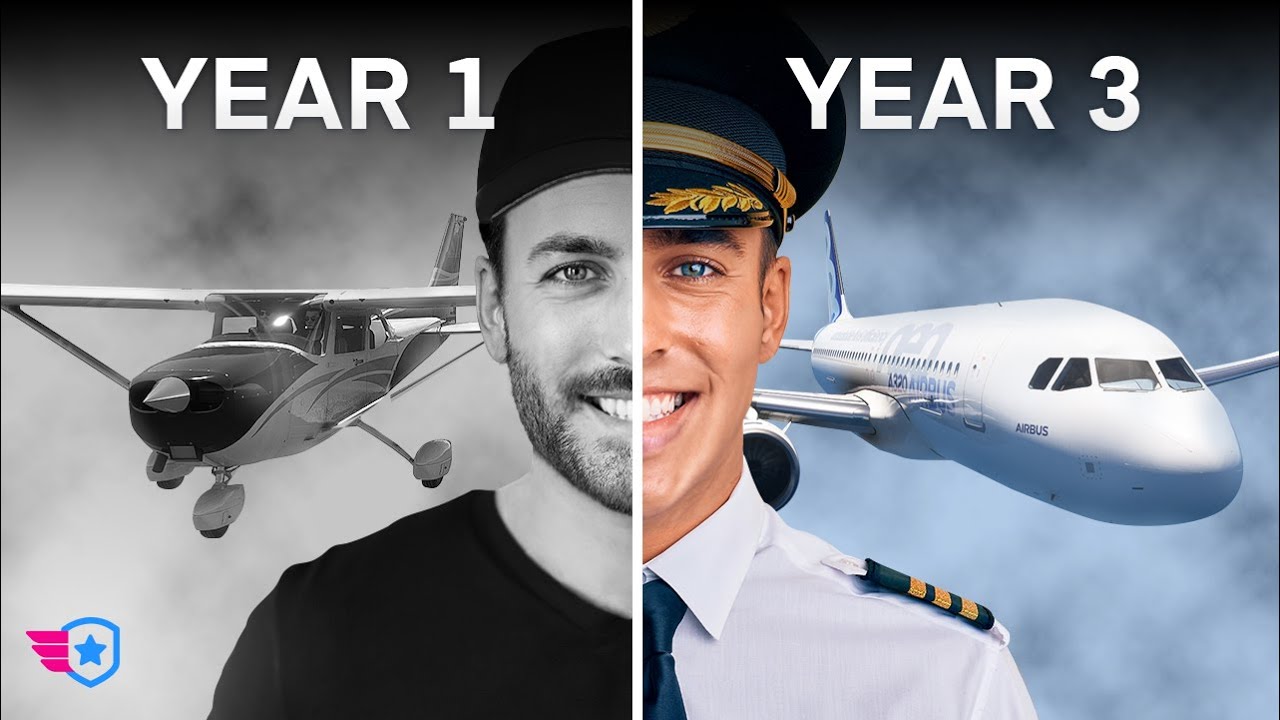
As you evaluate the choice between beginning in a little aircraft or a jet, you are passing by a fate actors in stone. You are choosing a discovering atmosphere that will certainly form exactly how you think, how you move, and exactly how you respond when the wind grabs or a contingency occurs. The most essential thing is to begin with function, to educate with stability, and to maintain your eyes fixed on the perspective you wish to possess as a pilot. The air is open and waiting, and every flight is an opportunity to come to be a more secure, more qualified, a lot more confident flyer. If you bring that objective to your flight school, you will certainly locate your path, whether it starts in a light instructor or a turbine cabin, will feel both extensive and deeply rewarding.